Is now the right moment to bring your Malibu Road oceanfront home to market? If you want a strong result with minimal disruption and complete discretion, timing and presentation will shape your outcome. In this guide, you’ll learn how to choose the right season, schedule photos with the tides, prepare documentation that answers buyer concerns, and decide how public your listing should be. Let’s dive in.
Why timing matters on Malibu Road
Malibu oceanfront sits in a luxury niche with fewer listings and a selective buyer pool. That means your decision on when to list can influence how many qualified buyers you reach and how quickly you close. You are balancing exposure, privacy, and competition from other trophy properties.
Spring and early-summer advantages
Spring and early summer often deliver the most buyer activity across Southern California. Longer days, better weather, and the summer lifestyle vibe make your beach frontage shine. If you want broad exposure and strong in-person traffic, this window is a proven play.
Strategic fall and winter listings
Selling in fall or winter can reduce competing inventory and draw serious, privacy-focused buyers. Your showings may be fewer but more targeted. For owners who value discretion and a calm process, this approach works well on Malibu Road.
Tide and light windows that sell
On the oceanfront, the tide can change what buyers see. Plan exterior photography and key showings for low tide to showcase beach width and walkability. Use NOAA tide predictions to time your shoot and schedule a second set at higher tide if wave drama or walk-on access is part of your home’s story.
Presenting your oceanfront home
Luxury buyers shop with their eyes first. Strong visuals, curated staging, and digital privacy give you control over the narrative and protect your time.
Visual strategy: photo, video, and drone
Book a top photographer and plan for golden hour exteriors plus bright daytime lifestyle shots. Include aerials to capture frontage and context, and confirm the pilot follows FAA Part 107 rules for commercial drone operations. Add a polished video tour and 3D walkthrough to reach out-of-area buyers and reduce unnecessary traffic.
Staging for indoor-outdoor living
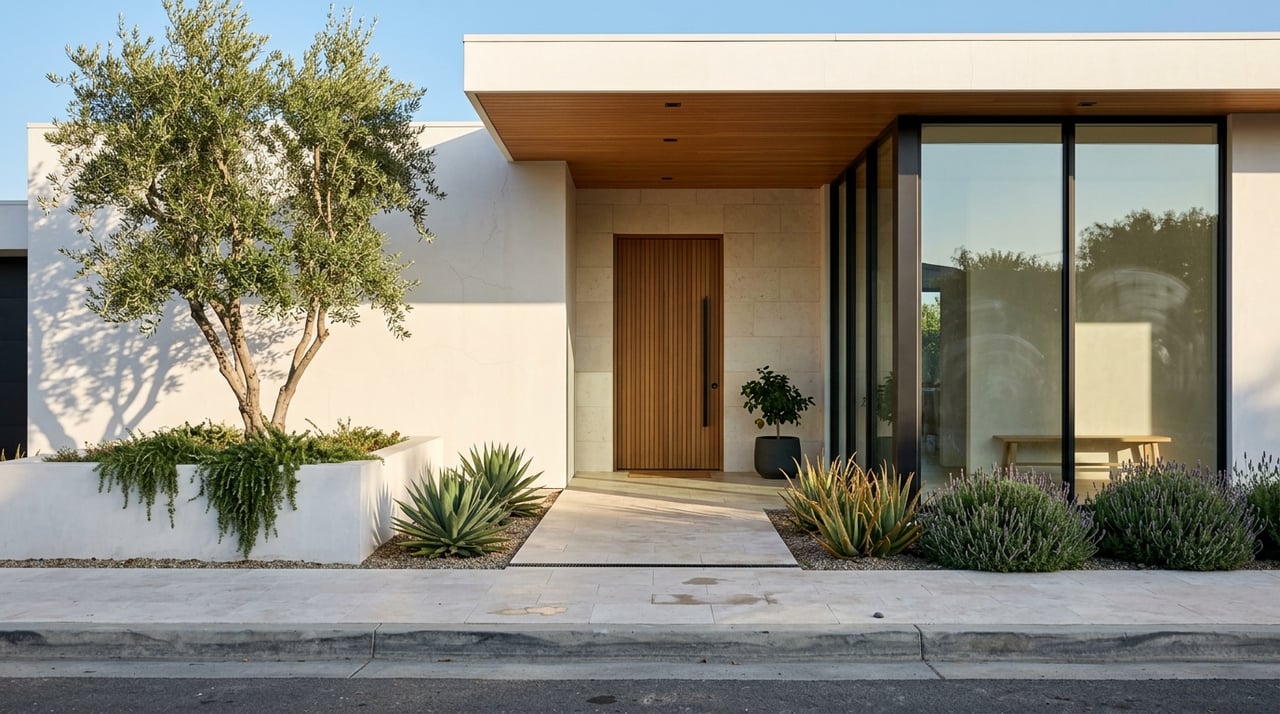
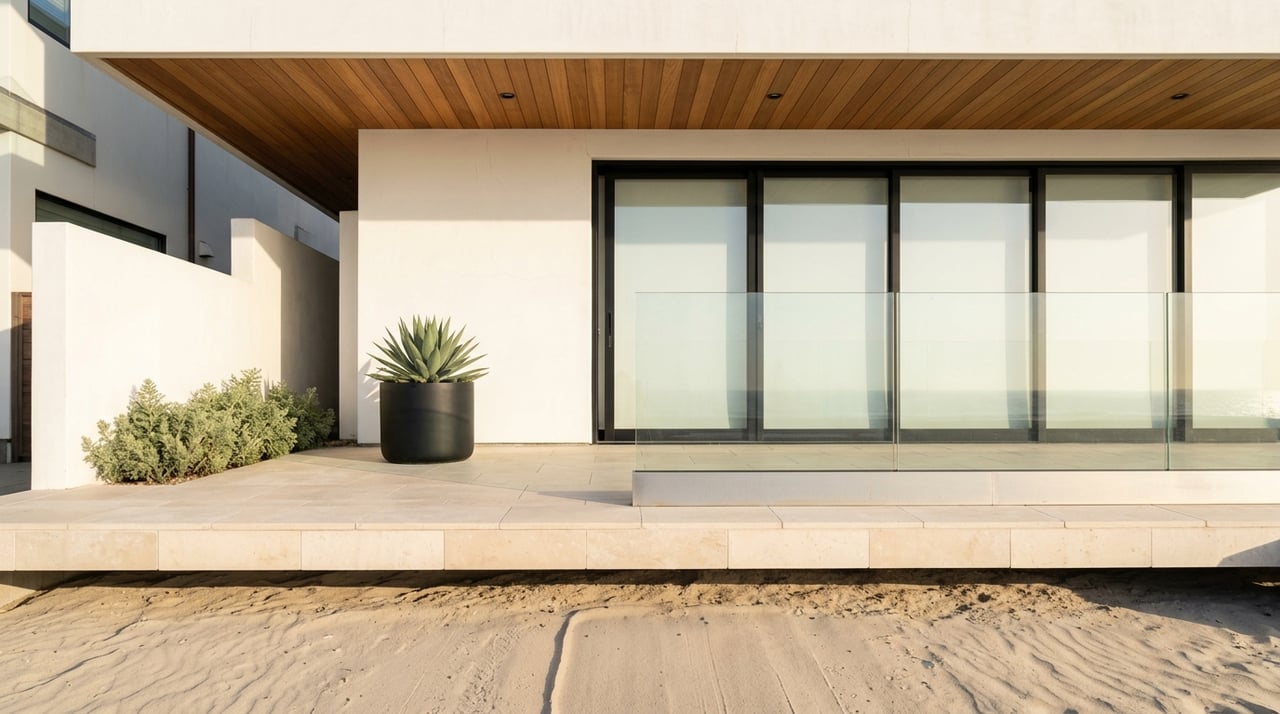
Keep the look minimal and coastal to highlight glass lines, decks, and seamless indoor-outdoor flow. Refresh salt-exposed elements like windows, railings, and exterior paint so they read crisp on camera. Tune outdoor spaces with clean furnishings, planters, and soft lighting that invite twilight showings.
Digital privacy controls
If privacy is a priority, decide in advance which rooms and angles to share publicly. Blur neighbors and faces in marketing assets. For high-profile ownership, consider tighter control of photo sets and require buyer pre-qualification before full tours.
Coastal rules and buyer confidence
Oceanfront homes come with unique questions. When you anticipate them, you remove friction and improve leverage.
Shoreline permits, seawalls, and access
Buyers will ask about shoreline structures, any seawall history, and recorded easements. Gather permit files, correspondence, and surveys that show where the property line sits relative to the beach and any lateral access. Review policies and background on shoreline structures and public access through the California Coastal Commission.
Flood zones, insurance, and lending
Many Malibu Road properties sit in mapped coastal flood zones. Buyers and lenders often review FEMA data and insurance options early, and some homes require specialty carriers. Check your parcel on the FEMA Flood Map Service Center and be ready with premium history, claims records, and any mitigation steps you have taken.
Sea-level rise context
Sophisticated buyers consider long-term coastal change. Offer clear, factual context by referencing state guidance and local studies when available. For background, the California Ocean Protection Council publishes sea-level rise resources and guidance that buyers may review with their advisors.
Listing strategy: public vs private
Your marketing footprint should match your privacy goals. Decide early how widely you want to be seen.
Full MLS exposure
- Pros: maximum reach, market-driven pricing, and potential for competitive offers.
- Cons: more showings, more traffic, and less discretion.
Quiet sale with targeted outreach
- Pros: privacy, controlled appointments, and curated buyer vetting.
- Cons: fewer eyeballs and less price discovery if the perfect buyer is not in your initial circle.
Clear Cooperation rules to know
If any public marketing occurs, many MLSs require timely input. Review the National Association of Realtors’ Clear Cooperation Policy and confirm local MLS rules with your agent. Even off-market, you still must disclose all material facts.
Showing logistics on Malibu Road
Plan showings to minimize disruption while making access smooth for qualified buyers. Malibu Road and Pacific Coast Highway can be tight, so logistics matter.
- Use private showings or by-appointment windows with vetted buyers.
- Arrange parking plans and clear arrival instructions in advance.
- When exterior access uses the beach or public areas, confirm whether filming or photography permits are needed through the City of Malibu, and schedule around community events and surf conditions.
A six-week prep plan that works
Use this framework to get market-ready with confidence.
- Weeks 1–2: Assemble documents. Order your Natural Hazard Disclosure and gather title, surveys, shoreline permits, geotechnical reports, insurance history, and maintenance records. If you do not have a recent geotechnical report, consult a coastal engineer.
- Weeks 2–4: Complete repairs and touch-ups that read on camera, especially windows, decks, lighting, and landscaping. Hire a photographer, FAA-licensed drone operator, videographer, and a stager. If you plan to target international buyers, prepare translations for key materials.
- Weeks 4–6: Finalize staging and book photography at low tide and ideal light. Build your marketing package and decide on public MLS, quiet sale, or a hybrid.
- Weeks 6+: Launch. Open private showings, manage buyer vetting, and anticipate a 30 to 90-plus day negotiation and escrow timeline depending on financing and contingencies.
Documentation that builds trust
High-end buyers and their advisors will review records early. Make it easy for them.
- Title report and any recorded easements or covenants
- Recent survey or plat showing the property line relative to the beach
- Transfer Disclosure Statement and Natural Hazard Disclosure
- Geotechnical and soils reports, plus any seawall or shoreline permits and correspondence
- Building permits, certificate of occupancy if applicable, and maintenance records
- Flood and insurance history, including premiums and claims
- Seasonal photos showing low and high tide, and summer versus winter conditions
Questions buyers will ask
Prepare concise answers to reduce renegotiation later.
- Has there been bluff shift or erosion, and what mitigation is in place?
- Which shoreline or structural permits exist, and what repairs or changes need approvals?
- Are there any public access easements or lateral access considerations?
- What are typical flood and storm insurance premiums, and have there been claims?
- How are utilities and drainage managed on site?
- Have there been any coastal enforcement actions or code issues?
Timing and presentation: the bottom line
On Malibu Road, you win by pairing smart timing with meticulous presentation. Use seasons and tides to your advantage, and show buyers the documentation and lifestyle they need to move fast with confidence. With disciplined preparation and the right strategy, you can protect your privacy, reduce friction, and maximize value.
Ready to plan your sale with discretion and reach? Connect with Irene Dazzan-Palmer to Request a Private Market Valuation and a confidential listing strategy.
FAQs
What is the best month to list a Malibu Road oceanfront home?
- Spring and early summer often bring broader buyer activity, while fall and winter can mean less competition and more privacy; choose based on your goals and property readiness.
How do tides affect listing photos and showings in Malibu?
- Low tide shows more beach width and can improve curb appeal; schedule shoots and key showings using NOAA tide predictions for precise timing.
What coastal permits and disclosures will buyers expect?
- Buyers often review shoreline permits, geotechnical reports, and access details; see the California Coastal Commission for context on shoreline structures and public access.
Do Malibu Road oceanfront homes require flood insurance?
- Many properties fall in mapped flood zones; check your parcel on the FEMA Flood Map Service Center and review coverage options with an experienced insurance broker.
Can I sell off-market and still follow MLS rules?
- Yes, but if you market publicly, the NAR Clear Cooperation Policy may require MLS input; confirm local rules with your agent.
Are drones allowed for marketing my Malibu oceanfront home?
- Yes, when operated by a licensed pilot under FAA Part 107; follow local restrictions and respect neighbor privacy.