Is the Point Dume address you want on an interior street or perched above the bluffs? Both deliver the Malibu lifestyle, yet they feel very different day to day. If you are weighing views against usable land, or permits against long-term risk and maintenance, a clear framework will help you decide faster and with confidence. Below, you will learn how the two settings compare on lifestyle, buildability, permitting, risk, and resale so you can focus your search with precision. Let’s dive in.
Point Dume at a glance
Point Dume is a dramatic headland in central Malibu with two distinct settings. Cliffside parcels sit on or beside the coastal bluffs with immediate ocean exposure. Interior parcels sit back from the bluff line on gentler terrain with more flat, usable land.
Both areas feed to Pacific Coast Highway for access. Interior streets typically offer easier driveways and guest parking. Cliffside streets can involve steeper drives and tighter on-site parking, especially near the bluff edge.
Interior streets in brief
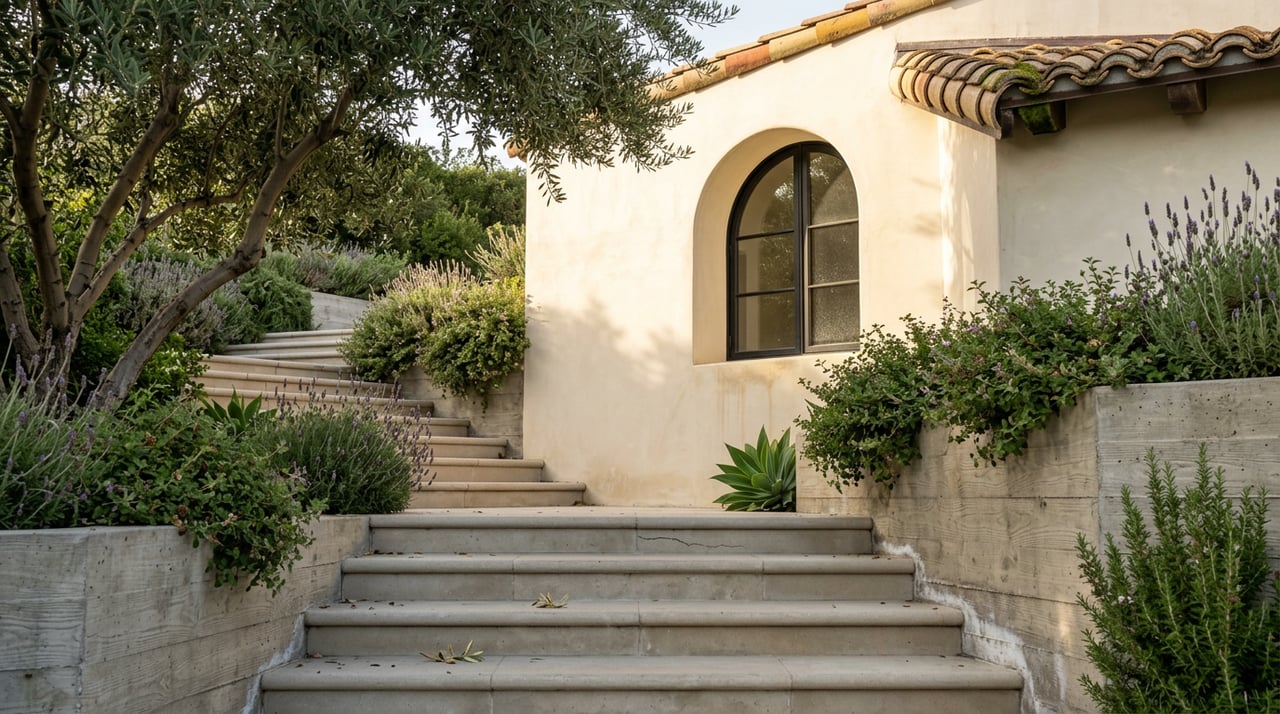
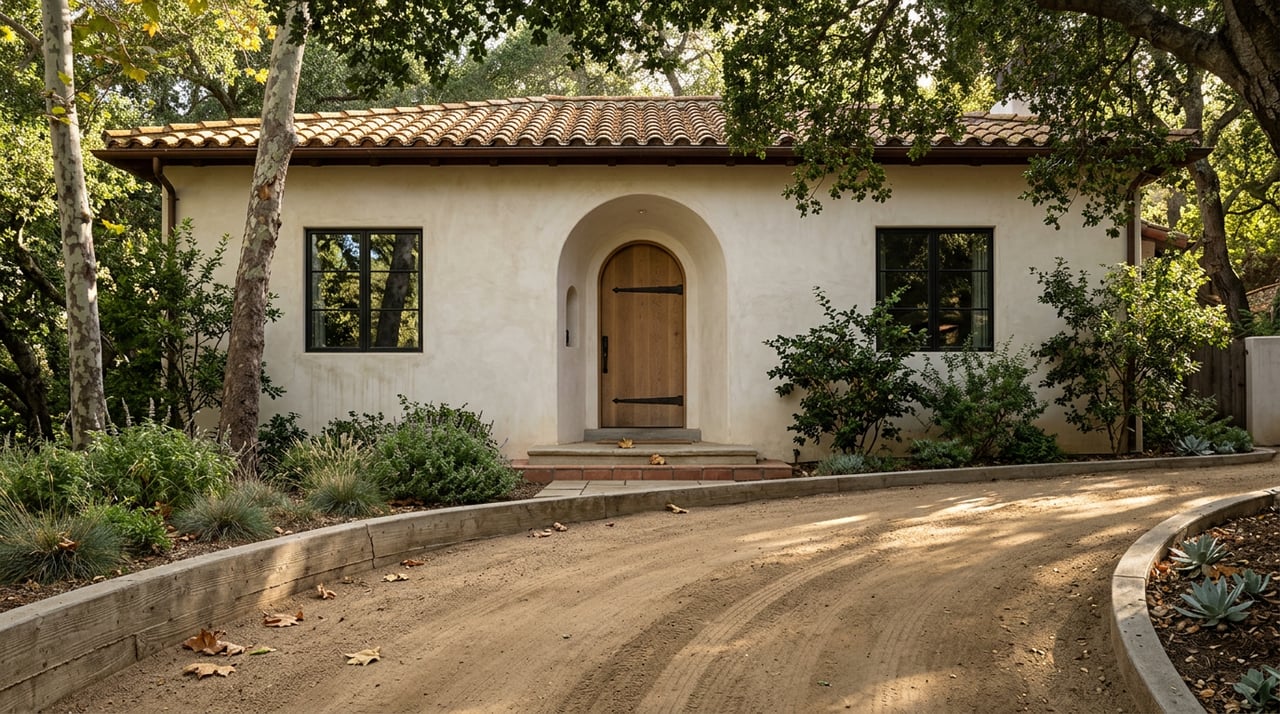
Interior parcels often feel more traditional and practical. You usually get larger flat yards, room for a full-size pool, and space for garages, longer driveways, and privacy landscaping. Buildable footprints are often more flexible, which helps if you plan an addition or an ADU.
Cliffside bluffs in brief
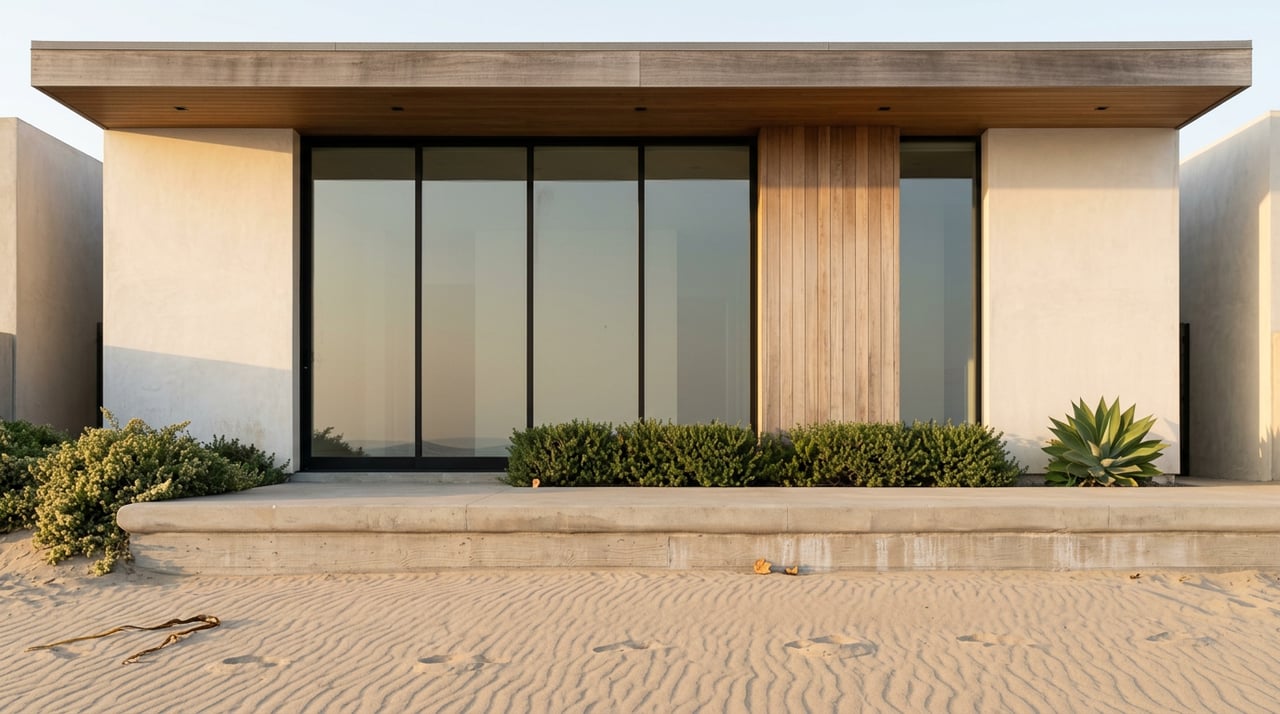
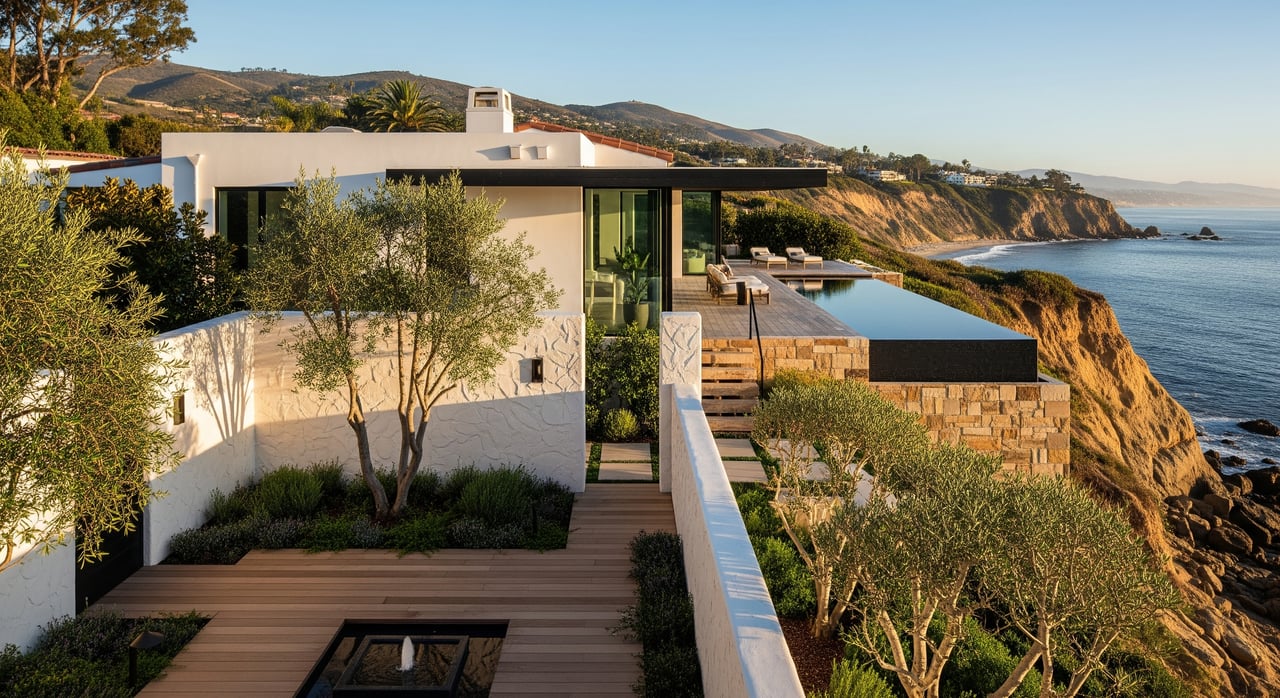
Cliffside parcels deliver the signature Point Dume panorama. You feel the surf, the wind, and the horizon in every room. Lots can be narrow or steep with a constrained buildable area due to bluff setbacks and geotechnical conditions, and some homes include permitted private stairways or paths where allowed.
Permits and coastal rules
Point Dume sits inside California’s coastal zone, so development on both interior and cliffside lots is guided by the California Coastal Act and the City of Malibu’s Local Coastal Program. Most significant work will require a Coastal Development Permit, with additional layers of review for projects near bluffs.
- Review the City’s Local Coastal Program for standards, public access conditions, and process details at the City of Malibu Local Coastal Program.
- For sea-level guidance and bluff policy context, consult the California Coastal Commission’s Sea Level Rise Policy Guidance.
On bluff-top parcels, expect mandatory geotechnical reports, defined bluff setbacks, and strict limits on shoreline armoring. Interior parcels typically move through permitting faster with fewer technical studies at the outset.
Risk, hazards, and insurance
Coastal settings carry unique risks, and Point Dume is no exception. Bluff erosion, slope instability, and episodic failures are part of the long-term coastal process. Interior parcels are generally less exposed to bluff-specific hazards but still require standard site and drainage diligence.
- Check FEMA’s official maps for coastal flood zones at the FEMA Flood Map Service Center. Remember that bluff-top homes may face geologic risk even if not mapped in a flood zone.
- Review regional studies of erosion and slope processes through the USGS’s overview of coastal erosion hazards.
- Explore long-range exposure scenarios with the NOAA Sea Level Rise Viewer.
- For insurance market guidance and consumer resources, visit the California Department of Insurance.
Insurers may require geotechnical documentation and offer more limited or costly coverage for cliffside properties. Maintenance needs can be higher at the bluff due to wind, salt spray, and engineered systems. Interior parcels tend to have broader insurance options and simpler maintenance, though every site is different.
Lifestyle differences
Views and daily feel
Cliffside living is about the ocean’s immediacy. It brings uninterrupted views and a strong sensory backdrop of surf and sea breeze. Interior streets offer a calmer microclimate, with framed or partial views in some locations and more shelter for outdoor living.
Privacy and access
Cliffside homes can have excellent visual privacy due to the bluff, yet you may see or hear activity from public trails or beaches below in some areas. Interior parcels feel more neighborhood-like with privacy created by setbacks, trees, and fencing. Beach days are easy from both settings, but interior streets usually mean a short drive or walk to a public access point.
Wind, salt, and upkeep
Cliffside settings face stronger winds and salt exposure that affect finishes, metalwork, windows, and landscape choices. Interior parcels are more sheltered, which can reduce weathering and the frequency of specialized maintenance.
Lot size and buildability
Interior parcels typically provide more horizontal space for lawns, play areas, gardens, and conventional pools. They also offer more flexibility for additions, ADUs, and outbuildings within local regulations. Driveways and garages are often easier, which simplifies deliveries, guest parking, and daily logistics.
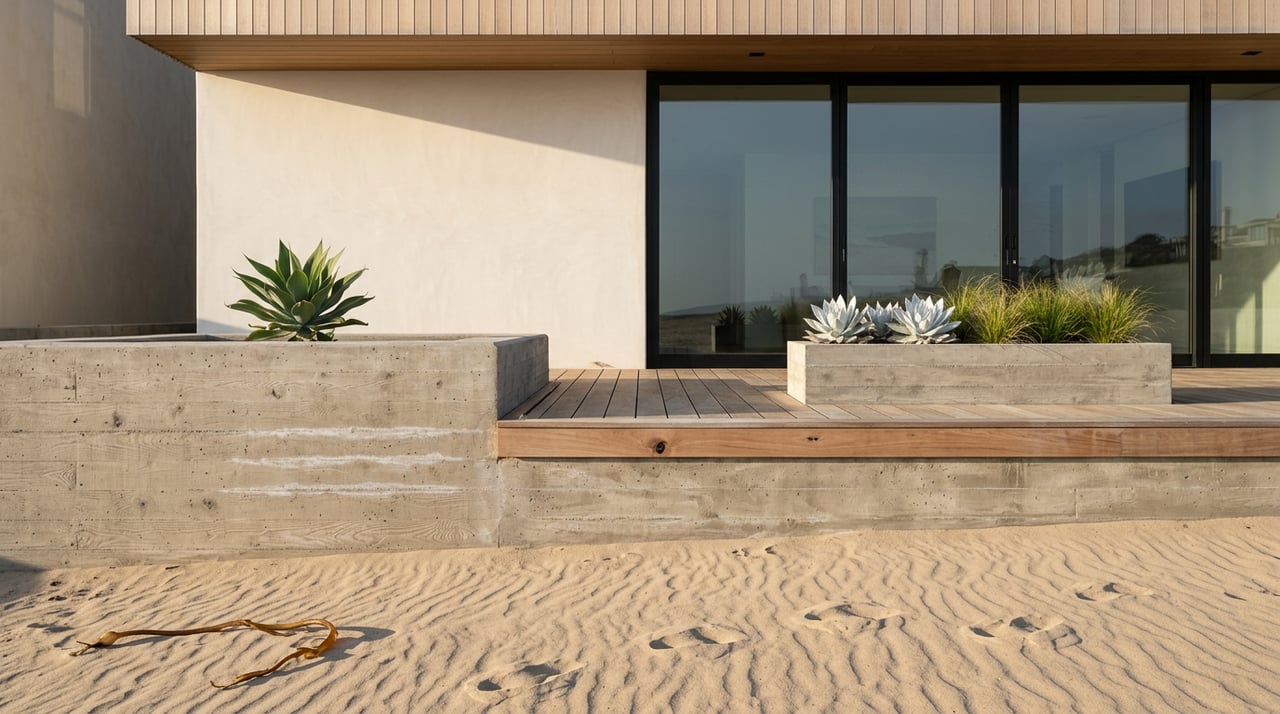
Cliffside parcels are shaped by the bluff and the rules that protect it. Expect tighter buildable footprints, specific foundation and drainage engineering, and more design constraints. Outdoor living focuses on terraces and view decks rather than broad lawns.
Cost, liquidity, and resale
Cliffside and oceanfront addresses command a premium for unobstructed views and coastal immediacy. That premium is paired with higher cost of ownership, including insurance, maintenance, and more complex permitting for any future changes.
Interior parcels often trade at a relative value on a useable-square-foot basis and appeal to a wide buyer pool seeking flat yards and easier access. In both settings, documented compliance, updated permits, and clear geotechnical records can support resale value.
Interior vs cliffside: quick guide
- Choose interior if you want larger flat yards, flexible buildability, easier parking and access, and a calmer microclimate.
- Choose cliffside if you prioritize panoramic views, coastal immersion, and the drama of living at the edge, and you are comfortable managing added permitting, engineering, and maintenance.
- In all cases, align your plan with insurance availability, site-specific geotechnical input, and a realistic schedule and budget.
Due diligence checklist for Point Dume buyers
Use this list early in your process to avoid surprises. A seasoned local team can help sequence these steps.
- Commission a recent, site-specific geotechnical report covering bluff stability, erosion rates, setbacks, and recommended mitigations.
- Order a title report that confirms easements, including any public coastal access or maintenance obligations.
- Pull permit history and code compliance records, with special attention to stairways, retaining walls, drainage, and prior additions.
- Confirm Coastal Development Permit status and any open conditions with the City and, if applicable, the Coastal Commission.
- Review FEMA flood maps, local tsunami and evacuation routes, and county or city hazard maps.
- Obtain multiple insurance quotes for homeowner, flood, earthquake, and any specialty coverage tied to geologic risk.
- Conduct thorough structural and drainage inspections to confirm runoff is managed away from slopes and foundations.
- Verify utilities, including sewer or septic status, and any required upgrades.
- Analyze recent comparable sales and days on market for both interior and cliffside homes to understand pricing and liquidity.
- Consult the right experts: a coastal geotechnical engineer, a coastal or land-use attorney familiar with the Malibu LCP, a coastal structural engineer, an insurance broker experienced with bluff properties, and a Malibu broker who works this micro-market every day.
How we help you choose
The right Point Dume address depends on how you live, what you plan to build, and what level of risk and complexity you are comfortable managing. Our counsel starts with your lifestyle and evolves into a detailed plan that considers permits, engineering, insurance, and long-term value. With a deep bench of Malibu specialists and access to on and off-market options, you can compare the best available homes on both the interior streets and the cliffside.
Ready to discuss your shortlist or map a step-by-step plan? Reach out to Irene Dazzan-Palmer for private guidance and access to curated Point Dume opportunities.
FAQs
How do prices differ between interior and cliffside homes in Point Dume?
- Cliffside and oceanfront homes typically sell at a premium for view and coastal immediacy, while interior parcels often offer more value per square foot of usable land. Use current MLS data and recent comps for precise differences at the time you buy.
What permits apply if I remodel near the bluff in Malibu?
- Most substantial work requires a Coastal Development Permit, and bluff-adjacent projects often need geotechnical studies and comply with setback rules. Review the City’s standards in the Local Coastal Program and the Coastal Commission’s Sea Level Rise Policy Guidance.
Can I add a private beach stairway on a cliffside parcel?
- It depends on site conditions, prior permits, and public access obligations. Stairways and shoreline work face strict review under Malibu’s LCP and the Coastal Act and typically require detailed geotechnical analysis and permits.
How should I evaluate bluff risk and sea-level rise for a Point Dume home?
- Combine site-specific geotechnical evaluation with regional resources like the USGS coastal erosion hazards and the NOAA Sea Level Rise Viewer. Your engineer will translate these into setback and design recommendations.
Will insurance be available for a bluff-top home?
- Coverage is generally available but can be costlier and more limited for oceanfront or bluff-top locations. Start early with multiple quotes and review guidance from the California Department of Insurance.