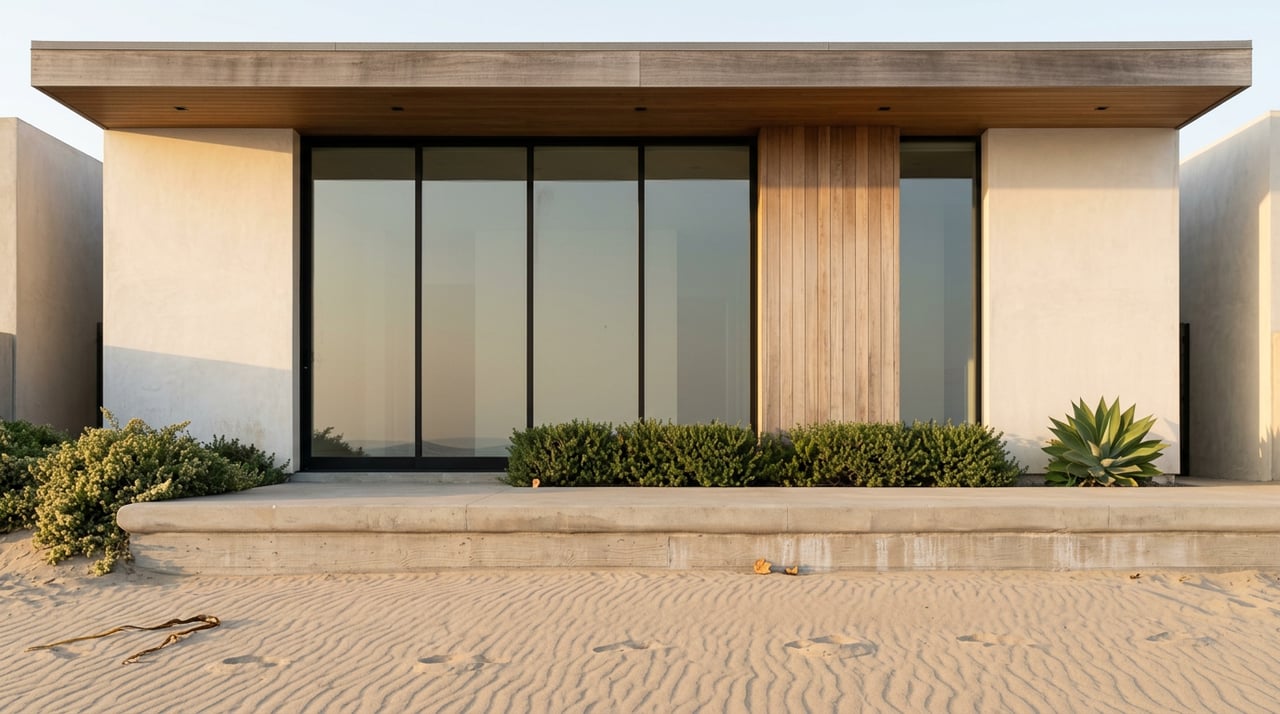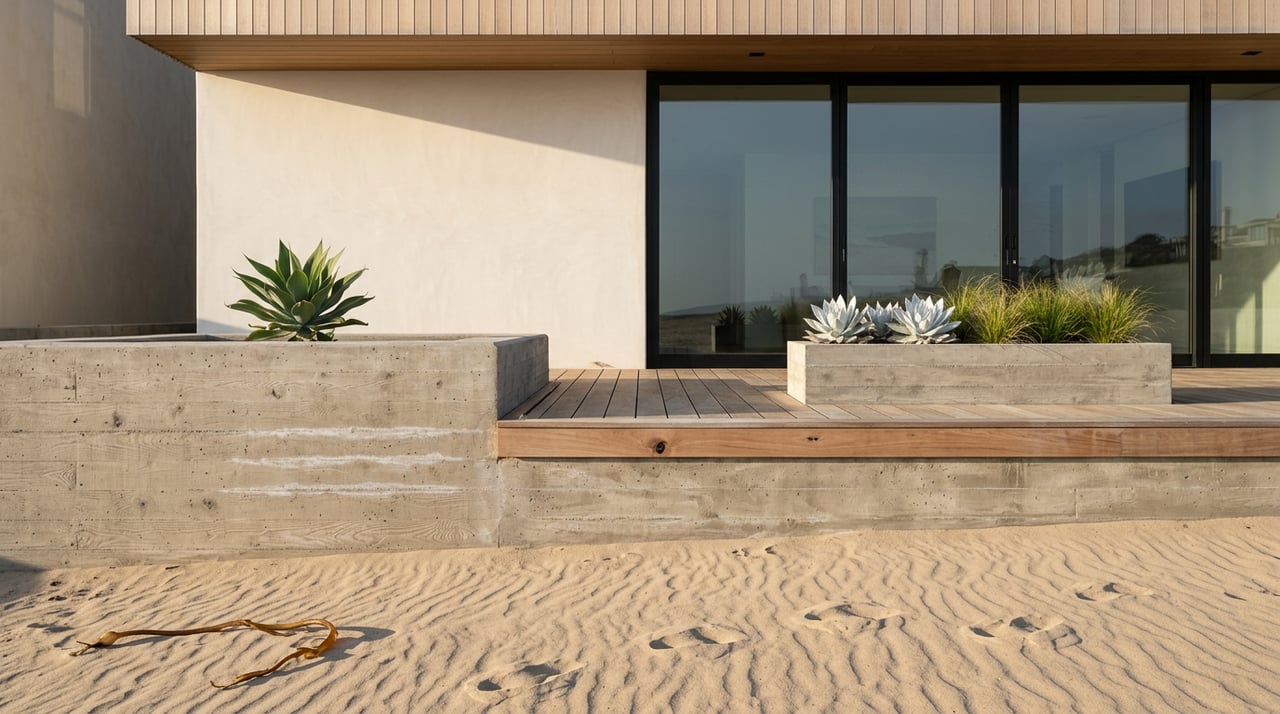
Wondering why some Broad Beach homes feel unforgettable the moment they hit the market, while others seem to blend into the background? On this stretch of Western Malibu, presentation is not just about tidying up a room or placing a few decorative accents. You are showcasing a home within a very specific coastal setting, where light, shoreline conditions, access, and visual calm can shape a buyer’s first impression. If you want your listing to land with more clarity and impact, it helps to plan every detail with the beach environment in mind. Let’s dive in.
Why Broad Beach presentation is different
Broad Beach sits along a shoreline that fronts roughly 80 homes between Lechuza Point and Trancas Creek. Malibu planning materials describe the city’s coastline as a mix of rocky headlands and narrow beaches that are vulnerable to erosion and wave uprush. Malibu’s 2026 Coastal Vulnerability Assessment also notes exposure to sea-level rise, tidal inundation, storm flooding, and coastal erosion.
That local context changes how you should think about presentation. You are not marketing only square footage, finishes, and layout. You are also presenting the beach edge, the outdoor setting, the arrival experience, and the way the shoreline looks on the day buyers first encounter the property.
Lead with the coastal experience
On Broad Beach, buyers often respond to the full experience of the home. That includes the view from the main living areas, the connection between indoors and outdoors, and how easily the property feels tied to the coastline.
A strong launch makes those elements feel effortless. Instead of competing with the setting, your presentation should support it. The goal is to let the architecture, natural light, and coastal backdrop do the heavy lifting.
Keep sightlines clear
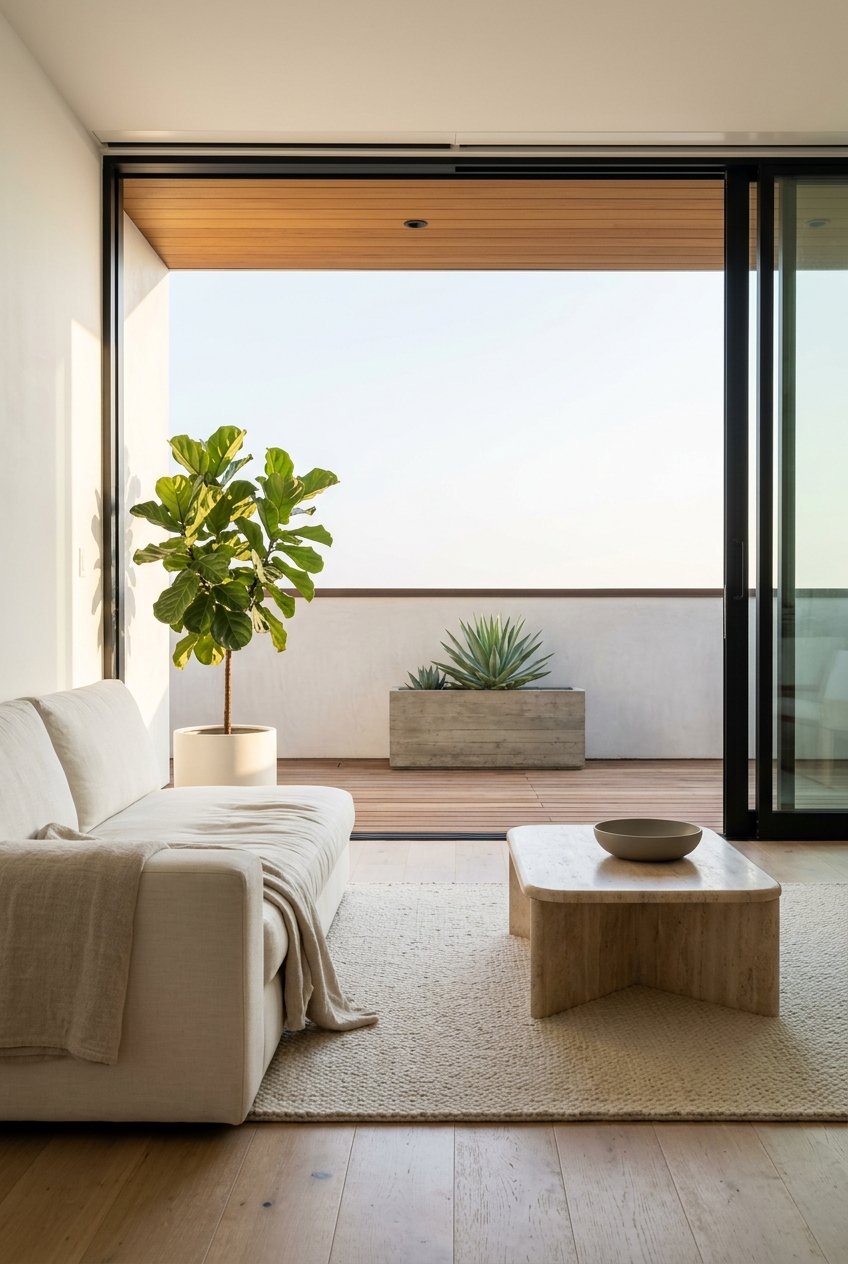
One of the most effective ways to elevate a Broad Beach home is to reduce visual noise. When buyers walk in or scroll through photos online, their eyes should move naturally toward the home’s strongest assets, whether that is a living room opening to the horizon, a primary suite with water views, or a terrace framed by sky and sand.
That usually means removing bulky beach gear, trimming back unnecessary outdoor storage, and editing down heavily themed coastal decor. A cleaner visual field helps the home feel calmer, larger, and more refined.
Focus on key rooms first
The 2025 National Association of Realtors staging profile found that the most commonly staged rooms were the living room, primary bedroom, and dining room. That is especially relevant on Broad Beach, where these spaces often carry the strongest views and the clearest lifestyle story.
If you are prioritizing where to invest time and energy, start there. In many homes, those are the spaces that create the emotional connection buyers remember. They also tend to anchor the photography that introduces the property online.
Why staging still matters in luxury
Even at the high end, presentation can shape perception in measurable ways. According to the 2025 National Association of Realtors staging profile, 83% of buyers’ agents said staging helps buyers visualize the home as their future residence. The same report found that 49% said staging reduced time on market, while 29% of sellers’ agents said staging led to a 1% to 10% increase in offered dollar value.
Those numbers matter because Broad Beach buyers are often making quick judgments from a combination of photos, mood, and setting. A home that feels intentional from the start can create stronger early momentum. In a luxury coastal market, that early impression is often where pricing power begins.
Prepare for the online first impression
Many buyers will meet your home online before they ever step onto the property. National Association of Realtors data shows that 43% of buyers first started by searching for properties on the internet. Another NAR report found that 81% of buyers rated listing photos as the most useful feature during their online home search.
For a Broad Beach listing, photos are not a simple record of the home. They are a primary marketing asset. The image set should tell a clear story about the home’s layout, light, privacy, and relationship to the beach.
Edit for photos, not just showings
What looks acceptable in person may still feel distracting in professional photography. Small objects on counters, extra chairs on decks, visible utility items, and oversized personal pieces can all pull attention away from the architecture and views.
Before the shoot, walk through the home as if you were looking at a gallery spread. Each frame should feel composed, quiet, and spacious. On Broad Beach, restraint usually reads as more elevated than abundance.
Time photography around light and tide
One of the biggest mistakes in coastal marketing is assuming a beautiful home will photograph well at any hour. Along the Malibu coast, forecast pages often include morning low clouds and fog, and NOAA notes that the West Coast marine layer can persist because of temperature inversions.
That means an early shoot is not always the best shoot. In many cases, exterior photography will benefit from waiting until the marine layer begins to lift and the light turns cleaner.
Use a tide calendar, not guesswork
NOAA makes clear that tide predictions are station-based and should be checked for the specific location and date. That is especially important on Broad Beach, where the look and feel of the shoreline can change meaningfully with the tide.
If your marketing story includes sand access, beach views, or a direct connection to the shoreline, the tide can shape the result buyers see in photos and at showings. A generic low-tide assumption is not enough. The launch should be planned around the actual tide calendar for the property’s timing.
Consider a two-step shoot
For many Broad Beach listings, the smartest approach is a two-step launch sequence. Photograph the shoreline and exterior when the light is clean and the tide is favorable. Then complete interior photography when daylight is even and the home has been fully reset.
This kind of planning helps every part of the home show at its best. It also creates a more polished final presentation, which matters when buyers are comparing a limited number of top-tier coastal options.
Respect access and arrival logistics
Broad Beach access is specific, not generic. California Coastal Commission materials show public access stairways and walkways at locations including 31344 Broad Beach Rd. and 31200 Broad Beach Rd. One of those stairway access points is described as open sunrise to sunset, with private property on both sides and a reminder not to trespass.
That should inform how you prepare for showings and any larger property launch. On a street where access points are defined and neighboring properties are close by, orderly arrival matters.
Keep showings smooth and unobtrusive
The Coastal Commission’s Broad Beach access guide notes limited street parking at one access point. It also repeatedly reminds visitors that the stairways and walkways are adjacent to private property.
For sellers, the practical takeaway is simple. Keep arrival routes organized, avoid any staging that interferes with access, and make sure the presentation does not spill into spaces beyond the property. Good showing flow is part of good stewardship.
Present the home as calm and composed
In a coastal setting, less often communicates more. Buyers are usually not looking for an overload of beach references. They are looking for a home that feels settled, well cared for, and naturally aligned with its surroundings.
That is why the best Broad Beach presentation often feels almost effortless. Furnishings support scale, materials feel tactile and understated, and the strongest design move is often what you remove rather than what you add.
What to edit before launch
Before bringing a Broad Beach home to market, it helps to review the property through a simple coastal lens:
- Clear visual paths from main living spaces to exterior views
- Minimize bulky beach equipment and visible storage
- Reduce overly themed coastal decor
- Refine outdoor areas so decks, terraces, and beach-facing spaces feel open
- Prepare the living room, primary bedroom, and dining room with extra care
- Coordinate photography with both marine layer conditions and tide timing
- Organize showing logistics with access and parking constraints in mind
These steps help the property feel more intentional from the first image to the first visit.
Stewardship supports presentation
Malibu’s coastal planning work and the Coastal Commission’s Broad Beach materials show that shoreline access and coastal vulnerability remain active local concerns. In this setting, thoughtful presentation is not only aesthetic. It is also part of presenting the property responsibly within its environment.
That perspective matters to sophisticated buyers. A well-prepared Broad Beach home should feel beautiful, but also grounded in the realities of the coastline. When light, tide, access, and staging all align, the result is more than attractive. It feels credible.
If you are preparing to sell on Broad Beach, the strongest launch is rarely accidental. It comes from local knowledge, careful timing, and a marketing approach that understands how to position the property as a complete coastal experience. To request a private market valuation and a tailored listing strategy, connect with Irene Dazzan-Palmer.
FAQs
Which rooms matter most when presenting a Broad Beach home?
- The living room, primary bedroom, and dining room usually deserve the most attention because staging research shows these are the most commonly staged rooms, and they often carry the strongest views and lifestyle appeal.
When should you schedule Broad Beach listing photography?
- It is often best to schedule exterior photography after the morning marine layer begins to lift and to check tide timing in advance, since both light and shoreline conditions can change how the property looks.
Why do tides matter for a Broad Beach home launch?
- Tides can materially change the appearance and feel of the beach edge, access experience, and shoreline visuals, so photo shoots and showings should be planned with a date-specific tide calendar.
How should you declutter a Broad Beach property before listing?
- Focus on removing visual distractions such as bulky beach gear, extra outdoor storage, and overly themed decor so buyers can focus on the home’s architecture, natural light, and coastal setting.
What should sellers know about Broad Beach showing logistics?
- Access points are specific, parking may be limited in some areas, and walkways can sit next to private property, so showings should be organized carefully and kept respectful of surrounding access conditions.