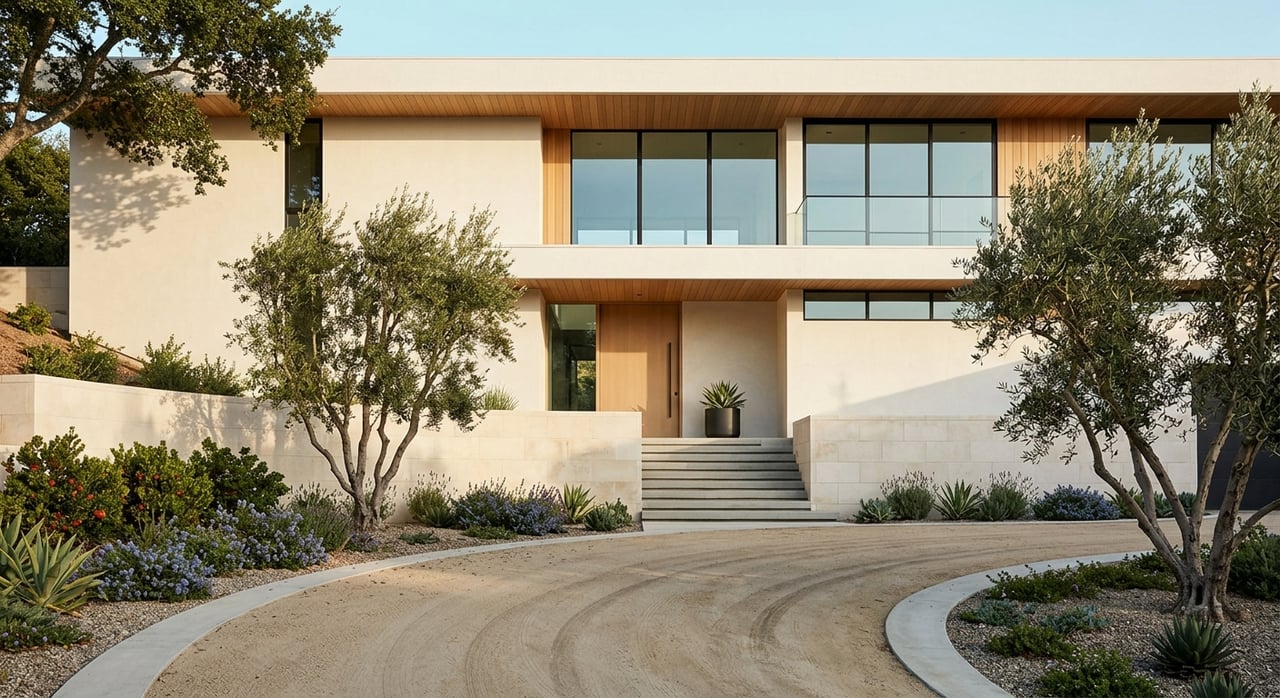
Buying on Winding Way can feel like discovering a quieter side of Malibu, where privacy, acreage, and canyon scenery come together just minutes from Pacific Coast Highway. If you are drawn to hillside living, trail access, and the possibility of a more estate-style setting, this area can be compelling, but it also asks more of a buyer during due diligence. Here’s what to look at before you move forward, so you can judge whether Winding Way truly fits your lifestyle and your long-term goals. Let’s dive in.
Winding Way feels different from other Malibu pockets
Winding Way sits within Malibu’s incorporated limits and coastal zone, in the Winding Way and Murphy Way neighborhood notification area. It is closely tied to Escondido Canyon Park and the Escondido Falls trailhead, with access from the Winding Way parking area.
This is not the kind of neighborhood best understood by a typical street map alone. For many buyers, it reads more like a hillside estate corridor, where privacy and open space are part of the appeal, but where lot shape, slope, and road exposure can vary more than in flatter parts of Malibu.
That distinction matters when you start comparing homes. Two properties that look similar on paper may live very differently in person depending on grade, usable outdoor area, and how close they sit to trail activity or road access.
Lot size and zoning can vary a lot
One of the most important things to know before buying on Winding Way is that parcel size and zoning are not especially uniform. Recent city records show nearby Winding Way parcels ranging from about 1.02 to 7.18 acres with RR-2 zoning, while nearby Murphy Way parcels in the same hillside area were documented at roughly 1.95 to 2.04 acres with RR-10 zoning.
That means you should not rely on neighborhood averages. You will want to verify the exact parcel, zoning designation, and development conditions tied to the specific APN during escrow.
For buyers focused on privacy or future flexibility, this can be a major point of value. A larger parcel may offer more separation and presence, but zoning and site constraints will shape what that land can actually support.
Gross acreage is not the same as usable land
This is one of the biggest hillside buying lessons in Malibu. A property may have impressive acreage on paper, but that does not always translate into a large flat building pad, broad lawns, or easy outdoor expansion.
Nearby city files for hillside parcels show projects built on graded pads surrounded by slopes, retaining walls, and easement constraints. In practical terms, you should separate gross lot size from usable flat area when comparing Winding Way properties.
For many buyers, usable area matters more than raw acreage. If you want room for outdoor entertaining, parking, accessory structures, or equestrian improvements, the layout of the land may matter just as much as the total number of acres.
Equestrian potential is possible, not automatic
Winding Way often appeals to buyers who like a more rural, estate-style setting. Malibu’s RR district allows a single-family residence plus accessory uses such as barns, corrals, and, under certain conditions, horses for personal use.
Still, equestrian use is not automatic just because a property looks suited for it. The code requires at least 15,000 square feet of lot area, limits animal count to one animal over six months old for every 5,000 square feet, and requires animals to be kept at least 50 feet from habitable buildings.
That means each parcel needs to be evaluated on its own facts. If horses are part of your vision, you will want to confirm zoning, site layout, setback compliance, and any practical access issues before you assume the property supports that use.
Malibu’s local horse culture does add context here. The Malibu Equestrian Park includes two riding arenas, a picnic area, and restrooms, and is open to the public for practice and recreational riding when not rented.
Trail access is part of the lifestyle
For some buyers, the connection to Escondido Canyon is a major reason to consider this area. The trailhead is accessed from Pacific Coast Highway about a mile south of Kanan Road, and the route to the falls is about a mile along a paved road with multiple blind curves.
The park information also notes that hikers, mountain bikers, and equestrians use the trail. There are no bathrooms beyond the parking lot, and the Winding Way lot currently carries a $12 parking fee.
From a lifestyle standpoint, this creates a distinct blend of seclusion and public access. You may enjoy being close to one of Malibu’s best-known canyon environments, but you should also be comfortable with the fact that this corridor is not fully insulated from visitor activity.
Privacy can be affected by public access
Many luxury buyers prioritize quiet, privacy, and predictable surroundings. On Winding Way, that conversation should include the area’s relationship to trail traffic and public parking.
Malibu’s parking-enforcement information lists Winding Way among high-use areas that receive visitor traffic. The city also notes that Beaches, Point Dume, Cliffside, Winding Way, and burn-scar areas can experience illegal parking, especially on weekends and holidays.
That does not mean every property feels exposed. It does mean privacy can vary from one parcel to another, and a careful showing schedule and site walk can tell you more than photos alone.
Easements and access deserve close review
Before buying on Winding Way, it is wise to review recorded easements, public-access maps, and maintenance responsibilities in detail. This issue has added visibility because the City of Malibu said in April 2026 that it filed suit related to public trail ownership and management along Murphy Way and Winding Way.
Regardless of how that matter evolves, the practical takeaway for buyers is simple. You should understand exactly where public and private rights begin and end, and how those rights may affect access, privacy, improvements, or long-term resale planning.
This is especially important in a hillside setting where driveways, road frontage, and access routes can be central to daily use. A strong escrow review can help you avoid surprises after closing.
Views may carry extra weight here
Views are often one of the main differentiators between hillside properties in Malibu. On Winding Way, that can be even more important because two parcels with similar acreage may offer very different outlooks, pad orientation, and visual privacy.
Malibu has a formal Primary View Determination process, and the city states that once a primary view corridor is documented, it is binding on future owners. If view preservation is central to your decision, this is not a detail to leave for later.
You will want to understand both the current experience and the recorded view framework tied to the property. In a market where view value can be substantial, clarity here matters.
Coastal permitting is part of the buying equation
All of Malibu sits within the California coastal zone, and development is regulated through the Local Coastal Program. Many projects require a Coastal Development Permit, which can affect timelines, planning, and the scope of future improvements.
For buyers considering a remodel, rebuild, guest-oriented accessory uses, or septic-related work, this is especially relevant. What seems simple at first glance may involve review by multiple departments and agencies depending on the project.
Onsite wastewater work can be particularly layered. The city states that a Coastal Development Permit is required for new onsite wastewater systems, and review can involve Planning, Environmental Health, Geology, Public Works, Los Angeles County Waterworks District 29, and Planning Commission approval.
Septic diligence is essential in Malibu
Malibu properties rely on onsite wastewater treatment systems, often called septic or OWTS systems. The city states that operating permits are required for new systems and also for existing systems when a property sells.
The city also requires point-of-sale inspections. In addition, owners are generally advised to have systems inspected every three to five years.
For a Winding Way buyer, this is not a side issue. Septic capacity, condition, compliance status, and maintenance history can all affect ownership costs, upgrade possibilities, and transaction timing.
Fire risk should be part of your planning
Every property within Malibu city limits is subject to AB 38 defensible-space documentation at sale because the entire city is in a Very High Fire Hazard Severity Zone. The city also states that Malibu experiences seven to eight Red Flag fire events each year between October 1 and December 31.
For buyers considering hillside property, this should be approached as a planning reality, not an afterthought. You will want to understand defensible-space expectations, vegetation management, and how the site’s access and slope may affect day-to-day stewardship.
In this part of Malibu, preparedness and maintenance are simply part of responsible ownership. Buyers who appreciate the setting usually do best when they go in with clear expectations.
Drainage and geology matter on hillside parcels
Rain events can change how a hillside property performs. Malibu notes that small mudslides and rockslides occur regularly during rainy months, and that burned hillsides are more prone to debris flows.
That makes drainage, slope stability, and prior geologic review important diligence items. For rebuilds or major work, the city’s geology and coastal-engineering staff reviews engineering geology reports, grading plans, and potential geologic hazards.
Even if you are buying an existing home with no immediate construction plans, understanding the land is still worthwhile. Hillside ownership is often about knowing not just the house, but how the site behaves over time.
Water and infrastructure should be confirmed early
Malibu customers are served by Los Angeles County Waterworks District 29. For major work or rebuild planning, city checklists reference will-serve information from Waterworks District 29 as part of the review process.
That makes utility and infrastructure verification an important early step if you are buying with future plans in mind. Water service, access conditions, and site constraints can all shape what is realistically possible.
In a market like Central Malibu, this level of diligence is part of buying well. It can help you protect both lifestyle fit and long-term asset value.
Who Winding Way tends to suit best
Winding Way often makes the most sense for buyers who want privacy, scenic hillside living, larger parcels, and possible equestrian use. It can be especially appealing if you value a more tucked-away estate feel and do not mind a setting shaped by topography, permitting, and trail proximity.
It may be less ideal if you are looking for a flat, low-maintenance, or highly walkable neighborhood experience. The right fit usually comes down to how you balance beauty, privacy, land, and the realities of hillside ownership.
If you are considering Winding Way, local guidance matters. For discreet, highly informed counsel on Malibu micro-markets and private buying opportunities, connect with Irene Dazzan-Palmer.
FAQs
What should you verify before buying a home on Winding Way in Malibu?
- You should verify the exact APN, zoning, usable flat area, recorded easements, septic status, fire-related documentation, and any permitting factors tied to the specific property.
Are Winding Way properties in Malibu good for horses?
- Some may be, since Malibu’s RR district can allow barns, corrals, and horses for personal use under certain conditions, but you need to confirm lot size, setbacks, site layout, and compliance for the individual parcel.
Does Winding Way in Malibu get public visitor traffic?
- Yes. The area is connected to the Escondido Canyon trailhead, and Malibu identifies Winding Way as a high-use area that can see visitor traffic and illegal parking, especially on weekends and holidays.
Do homes on Winding Way in Malibu use septic systems?
- Yes. Malibu properties use onsite wastewater treatment systems, and the city requires point-of-sale inspections and operating permits for existing systems when a property sells.
Is Winding Way in Malibu in a high fire risk area?
- Yes. All Malibu properties are in a Very High Fire Hazard Severity Zone, and sales within city limits are subject to AB 38 defensible-space documentation.
Why do views matter so much when buying on Winding Way in Malibu?
- Views can be a major value driver for hillside parcels, and Malibu’s Primary View Determination process can create documented view corridors that remain binding on future owners.